Common Eye Issues Vary Across the Sexes
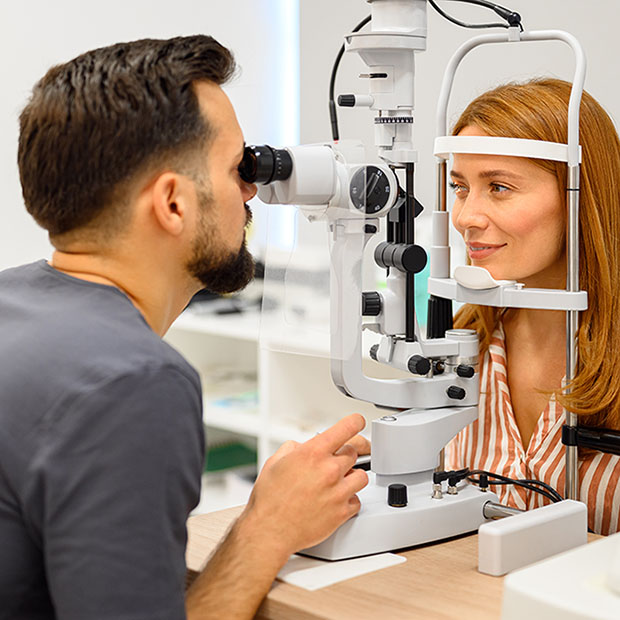
When it comes to vision and eye health, biology makes a difference.
Research consistently shows that certain eye conditions affect women and men at different rates, with different levels of severity, and sometimes for different reasons. Understanding these differences can help you take a more proactive approach to protecting your sight.
Dry Eye
Dry eye is one of the clearest examples of a sex-based difference in eye health. Women are significantly more likely than men to develop this condition, largely due to hormonal fluctuations. Estrogen and androgen levels influence the function of the meibomian glands, which produce the oily layer of the tear film that prevents tears from evaporating too quickly. Pregnancy, oral contraceptive use, and menopause can all disrupt this balance, making dry eye a persistent concern for many women throughout their lives.
Men are not immune, of course, but when dry eye occurs in men, it is often connected to different triggers such as prolonged screen exposure or certain medications.
Glaucoma
Glaucoma is a leading cause of irreversible blindness worldwide, and while both sexes are affected, the type of glaucoma differs. Men have a higher risk of developing open-angle glaucoma, the most common form. Women, on the other hand, are at greater risk of angle-closure glaucoma, a less common but often more acute and rapidly progressing type. Anatomical differences in eye structure, including a shallower anterior chamber depth in women, are thought to contribute to this disparity.
Age-related Macular Degeneration
Age-related macular degeneration (AMD) affects the central area of the retina and is the leading cause of vision loss in people over 50. Women are diagnosed with AMD at higher rates than men, which may partly reflect the fact that women live longer on average. However, hormonal factors may also play a role, since some research suggests that post-menopausal women face a heightened risk as estrogen levels decline.
Color Vision Deficiency
Color blindness presents one of the most well-known biological gaps between the sexes. The most common forms are linked to the X chromosome, and because men have only one X chromosome, a single gene mutation is enough to cause the condition. Women, with two X chromosomes, are far less likely to be affected but are more likely to be carriers. Roughly 8 percent of men have some form of color vision deficiency, compared to less than 1 percent of women.
What This Means for Your Eye Care
Knowing your risk profile is a powerful tool. Women may want to discuss hormonal changes with their eye doctor, particularly around menopause or when starting or stopping hormonal medications. Men should stay alert to changes in peripheral vision, which can be an early sign of open-angle glaucoma.
Most importantly, regular comprehensive eye exams remain the single best way to catch problems early, regardless of sex. Many serious eye conditions have no noticeable symptoms in the early stages, and early detection almost always leads to better outcomes. Talk to your optometrist about how your personal history and biology should shape your eye care routine.